
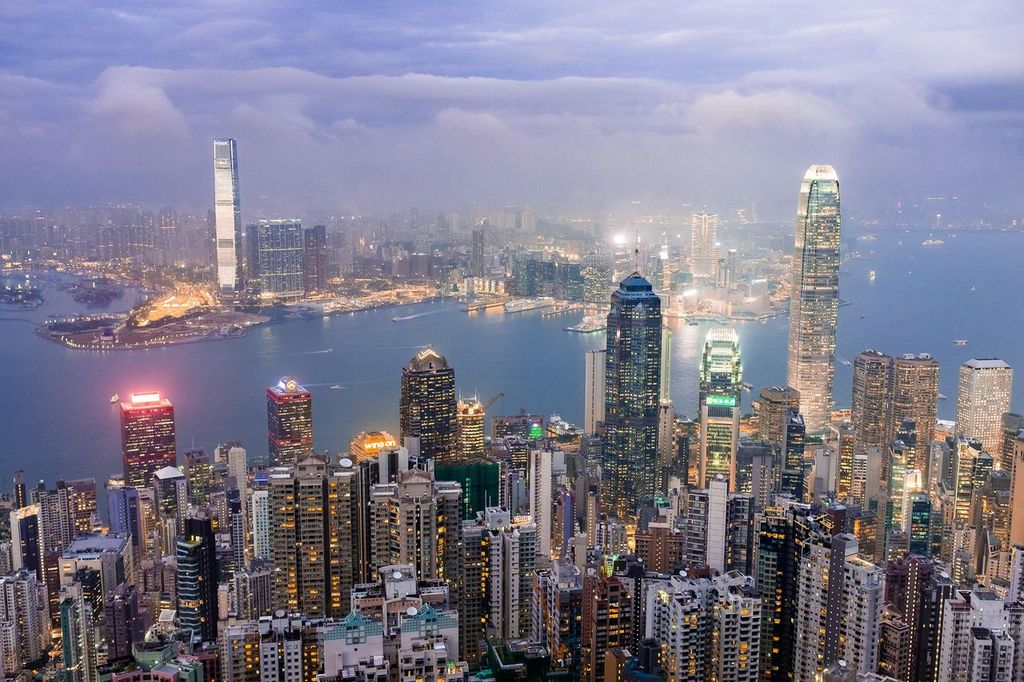
Hong Kong has a reputation for being eye-wateringly expensive. And sure – the luxury shopping malls and Michelin-starred restaurants can drain a bank account faster than the MTR crosses Victoria Harbour. But here’s what most first-time visitors don’t realize: this city rewards budget travelers just as generously as it rewards big spenders. Sometimes more so.
2026 brings a few shifts worth noting. The city’s tourism board has doubled down on cultural programming, new hiking trails have opened on outlying islands, and the street food scene continues to evolve without losing its gritty authenticity. For anyone willing to sidestep the tourist traps and dig into local rhythms, Hong Kong delivers extraordinary value.
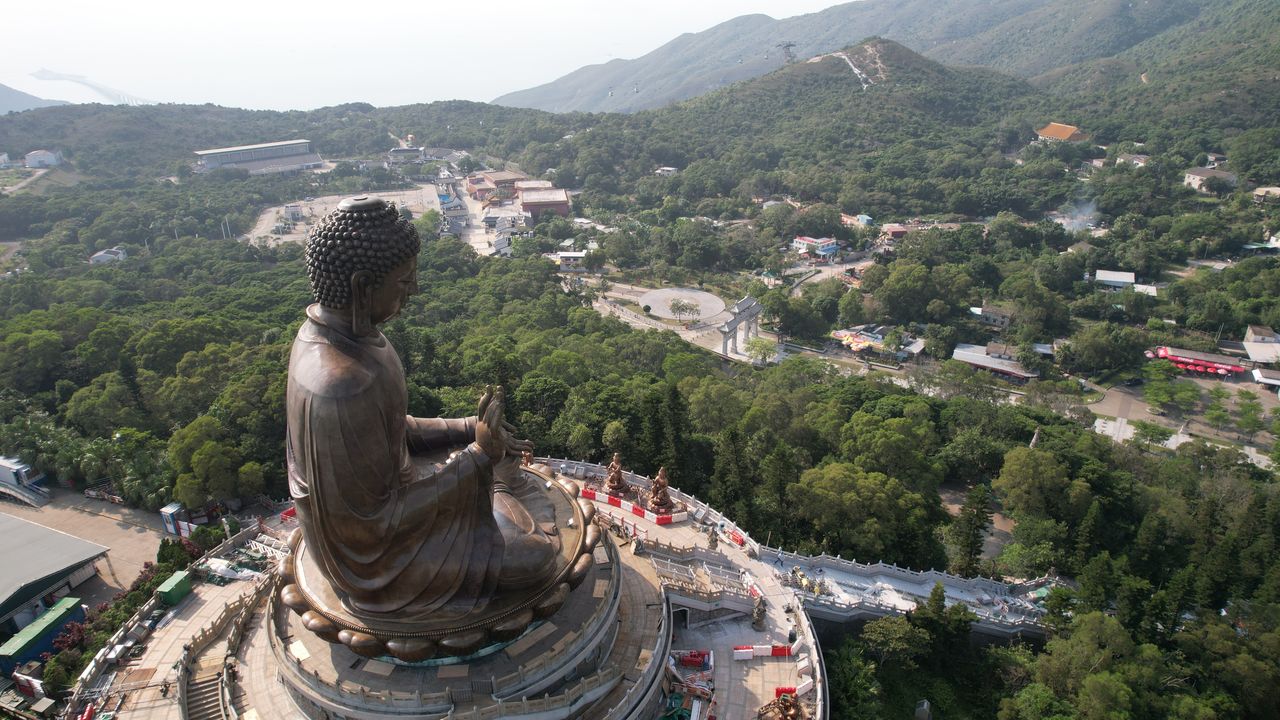
Table of Contents
Getting Around Without Overspending
Transportation in Hong Kong is absurdly efficient and remarkably cheap by global standards. The MTR subway system blankets virtually every corner of the territory, and single rides rarely exceed HK$15-20 (roughly $2-2.50 USD). The real move, though, is grabbing an Octopus card at any MTR station. This rechargeable card works on trains, buses, ferries, minibuses, and even at convenience stores and vending machines. It also shaves small discounts off every ride automatically.
The iconic Star Ferry between Kowloon and Hong Kong Island costs under HK$5 – less than a dollar for what might be the most scenic urban ferry crossing anywhere on the planet. Meanwhile, the double-decker trams on Hong Kong Island charge a flat HK$3 per ride regardless of distance, rattling through Wan Chai, Central, and Sheung Wan like a slow-motion city tour that costs practically nothing.
💡 Quick Tip: Skip taxis for anything the MTR or bus can handle. Save ride-hailing apps for late-night returns or luggage-heavy airport transfers. A single taxi ride across the harbour can cost what the MTR charges for an entire day of travel.
Airport transfers also don’t need to hurt. The Airport Express is fast but pricey – the A21 or A11 airport buses reach major hotel districts for around HK$33-40, roughly a quarter of the train fare.
Where to Sleep Cheap (Without Regretting It)
Accommodation is where Hong Kong can sting if planning isn’t done early. Space is at a premium here – rooms are small by almost any international standard, and that’s simply reality. But affordable options do exist, especially for those who book ahead and adjust expectations about square footage.
Hong Kong Budget Accommodation – 2026 Price Guide
Hostel dorm beds: HK$120-250/night ($15-32 USD). Best areas – Mong Kok, Tsim Sha Tsui, Causeway Bay.
Budget guesthouses: HK$300-500/night ($38-65 USD). Chungking Mansions remains the classic backpacker hub – chaotic but functional.
Airbnb and serviced apartments: HK$400-700/night ($50-90 USD). Better value for couples or small groups, often with kitchen access.
University dormitories (summer): HK$200-350/night ($25-45 USD). Available June through August at select campuses.
Booking platforms frequently list better rates for stays of three nights or more. Hostels in Mong Kok and Tsim Sha Tsui tend to be centrally located and well-connected to public transit, making them solid picks despite neighborhood noise levels that can test light sleepers.
Eating Like a Local Without the Tourist Markup
This is where budget travel in Hong Kong genuinely shines. The city’s food culture runs generations deep, and the cheapest meals are often the ones that stick in memory longest. Forget the overpriced waterfront restaurants – the real Hong Kong is served on plastic plates at fluorescent-lit counters.
- Cha chaan tengs – local diners serving set meals (toast, eggs, macaroni soup, milk tea) for HK$35-55. Found on virtually every block.
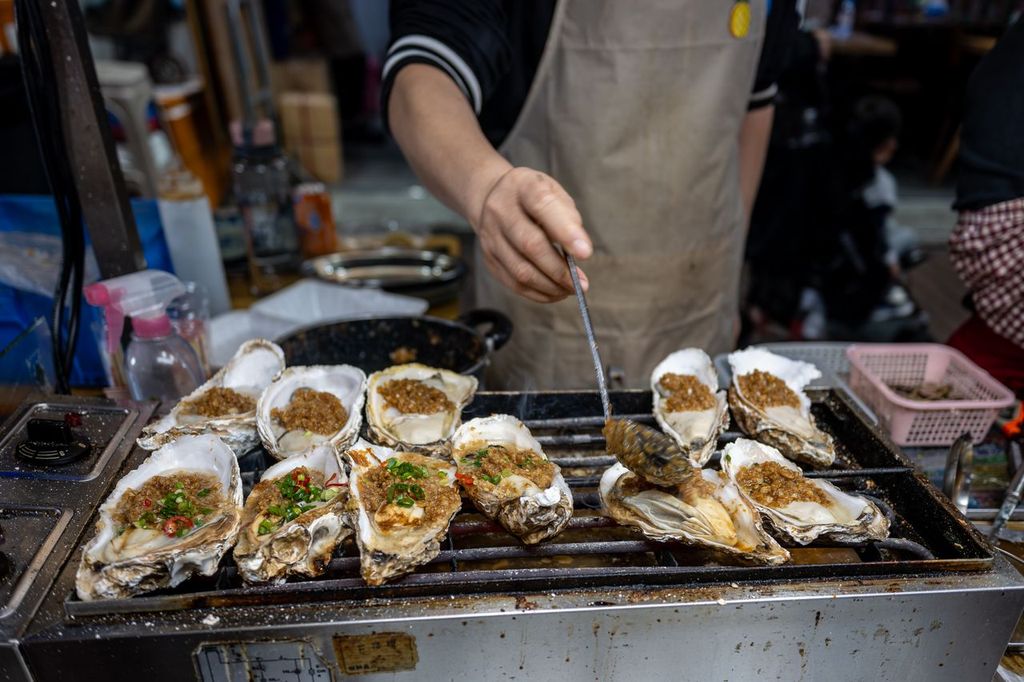
- Dai pai dong stalls – open-air street kitchens with wok-fried noodles, congee, and claypot rice. Portions are large, prices small.
- Tim Ho Wan – the world’s cheapest Michelin-starred restaurant. A full dim sum meal for two rarely exceeds HK$150.
- Local bakeries – Tai Cheong and similar chains sell legendary egg tarts for under HK$10 apiece.
- Wet market cooked food floors – many traditional markets have upper-level food courts where workers eat. Expect meals around HK$40-50.
A practical daily approach: breakfast at a cha chaan teng, midday street snacks and bakery runs, and a modest dinner at a neighborhood restaurant. Total daily food costs can realistically stay under HK$200 – around $25 USD. That’s three solid meals and a snack in one of Asia’s greatest food cities.
Free and Nearly Free Things to Do
Hong Kong is stuffed with world-class experiences that cost nothing or close to it. The city’s geography alone – mountains plunging into harbour, dense urban jungle opening suddenly onto hiking trails – provides endless free entertainment.
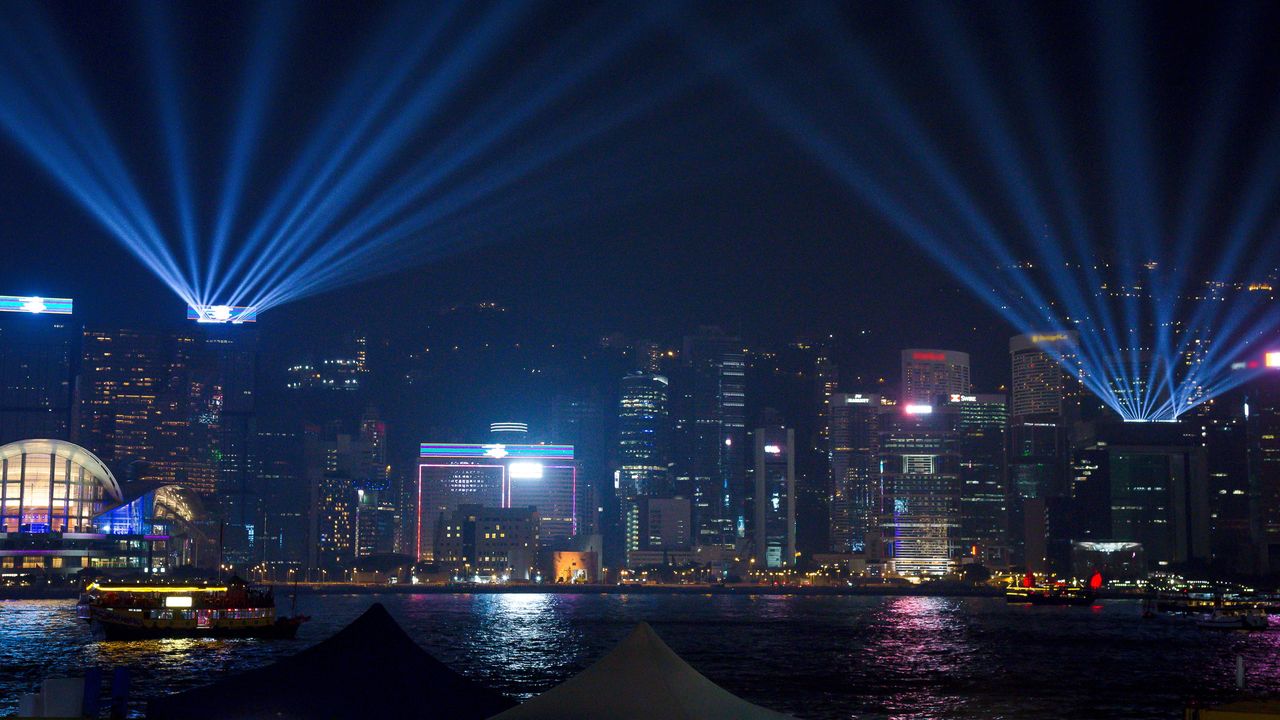
- The Symphony of Lights laser show over Victoria Harbour (free, nightly at 8 PM from the Tsim Sha Tsui waterfront)
- Hiking the Dragon’s Back trail on Hong Kong Island – consistently rated among Asia’s best urban hikes
- The Ten Thousand Buddhas Monastery in Sha Tin – 500 steps lined with gilded statues, no entry fee
- Wandering the Temple Street Night Market in Yau Ma Tei for free people-watching and browsing
- Exploring street art in Sheung Wan and the Central-Mid-Levels Escalator corridor
- Visiting the Hong Kong Museum of Art and Heritage Museum (free on Wednesdays)
- Taking the number 15 bus to Victoria Peak instead of the Peak Tram – similar views at a fraction of the cost
The Chi Lin Nunnery and adjacent Nan Lian Garden in Diamond Hill offer one of the most serene experiences in the city – Tang Dynasty architecture surrounded by manicured gardens – all completely free. It feels like stepping out of Hong Kong entirely.
Day Trips and Island Escapes
Beyond the urban core, Hong Kong’s outlying islands feel like a different world. Lamma Island, reachable by a 30-minute ferry from Central Pier (around HK$20), has zero cars, excellent cheap seafood restaurants, and a scenic coastal trail connecting Yung Shue Wan to Sok Kwu Wan. An afternoon here costs almost nothing beyond the ferry ticket and lunch.
Cheung Chau brings a different energy – a tiny island with a fishing village atmosphere, cheap street food stalls, and small beaches tucked between rocky headlands. Slow ferry tickets cost under HK$15 each way, and the entire island is walkable in a few hours.
Lantau Island offers the Big Buddha and Po Lin Monastery, both free to visit. The Ngong Ping 360 cable car is tempting but pricey – the number 23 bus from Tung Chung MTR station reaches the same destination for a few dollars and winds through forested mountain roads that are worth the trip alone.
For travelers combining Hong Kong with a broader Southeast Asia itinerary in 2026, nearby destinations offer complementary island experiences. Singapore’s Sentosa Island, for instance, features the lovely Palawan beach – a relaxed stretch of white sand with a suspension bridge to the southernmost point of continental Asia, surprisingly removed from the city’s glass-and-steel intensity.
Guided Tours and Experiences Worth the Money
Exploring independently saves cash, but certain experiences genuinely benefit from local knowledge – especially in a city where the most interesting places hide behind unmarked doorways and down narrow alleys that don’t appear on Google Maps.
Free walking tours operate in several neighborhoods, including Central, Sham Shui Po, and Kowloon City. Guides work on a tips-only model and frequently share stories, historical context, and food recommendations that no guidebook captures. These tend to fill up, so booking a spot a day or two in advance is wise.
For those wanting more structured itineraries, affordable guided excursions in Hong Kong starting from just $5 make it possible to discover hidden temples, backstreet markets, and cultural landmarks without the typical tour-group price tag. These budget-friendly options work especially well for solo travelers or anyone short on research time who still wants to get beneath the surface.
Practical Money-Saving Details for 2026
Tap water in Hong Kong is safe to drink after boiling, and many hostels provide filtered water stations. Carrying a refillable bottle eliminates one of the sneakiest daily expenses in any Asian city. Free Wi-Fi blankets most MTR stations, shopping centers, and public libraries – making a local SIM card optional for short stays.
Currency exchange rates at Chungking Mansions in Tsim Sha Tsui consistently beat airport counters and hotel desks. For larger amounts, the difference can cover a couple of meals. Credit cards are widely accepted in shops and restaurants, but markets, street food vendors, and small cha chaan tengs remain cash-only territory.
Finally, timing matters. Visiting during shoulder seasons – late October through November or March through April – means milder weather, thinner crowds, and lower accommodation rates compared to peak holiday periods. The city doesn’t slow down during these months; it simply becomes a bit more breathable.


